On-Page SEO Checklist for Every Article
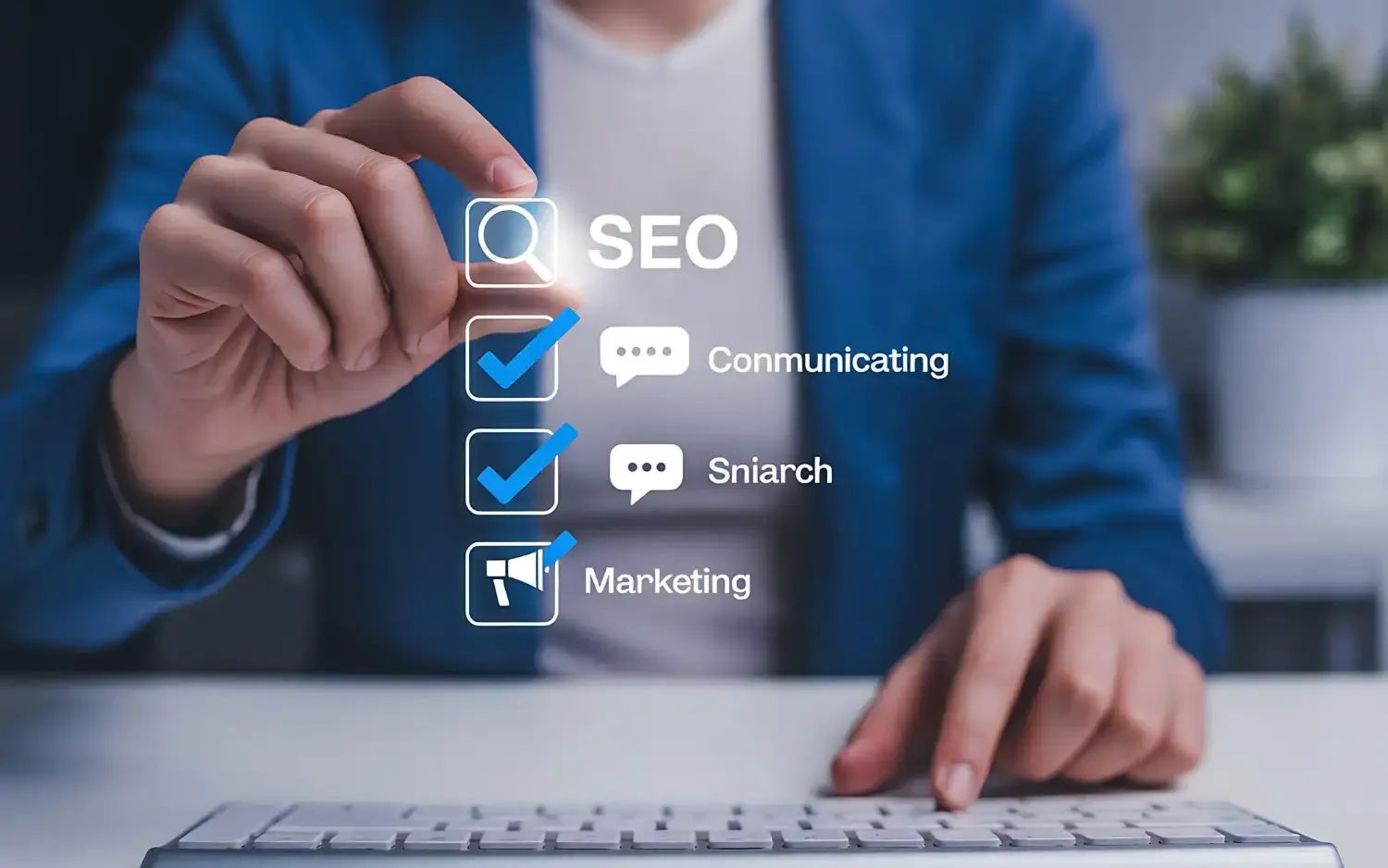
Creating content is no longer enough to rank on Google. You also need a strong on-page SEO checklist for every article to ensure search engines fully understand your content and users have a great experience.
On-page SEO focuses on optimizing individual pages using:
- Title tags
- Meta descriptions
- Header structure
- Internal links
- Image optimization
- Keyword placement
- Content quality
In 2026, Google also evaluates E-E-A-T signals, content freshness, and user engagement more heavily than ever. To understand how on-page SEO fits into the bigger picture, read this guide on the power of SEO in 2026.
This guide explains exactly how to optimize every article before publishing.
What Is On-Page SEO and How Does It Differ from Technical SEO
On-page SEO refers to optimizing content and HTML elements directly on a webpage.
Technical SEO focuses on:
- Crawlability
- Site speed
- XML sitemaps
- Indexing
On-page SEO focuses on:
- Content optimization for Google
- Metadata
- Headers
- Internal links
- Keyword usage
- User experience
Both are essential for strong rankings. For a complete walkthrough of technical SEO alongside on-page work, follow this technical SEO audit step by step in 2026.
The On-Page SEO Elements That Move Rankings
Title Tag — The Single Most Important On-Page Factor
Your title tag strongly influences:
- Rankings
- Click-through rates
- Relevance signals
Title Tag Optimization SEO Best Practices
- Place target keyword near the beginning
- Keep titles compelling
- Avoid keyword stuffing
- Include emotional or power words
How Long Should a Title Tag Be in 2026?
Title Tag Character Limit
The ideal title tag length is:
- 50–60 characters
- Longer titles may get truncated in search results
Where to Place Your Target Keyword in the Title
Keyword Placement in Content
Best practice:
On-Page SEO Checklist for Every Article
Less effective:
Things You Need to Know About SEO On-Page Optimization Checklist
Front-loading keywords improves relevance signals. For a full guide on keyword selection before you write titles, see this guide on how to do keyword research for SEO.
Meta Description — Does It Affect Rankings?
Meta Description Best Practices
Meta descriptions do not directly impact rankings, but they strongly affect click-through rates.
Meta Description Length 2026
Recommended length:
- 140–160 characters
Good meta descriptions:
- Include primary keywords
- Explain page benefits
- Encourage clicks
Example:
Learn the complete on-page SEO checklist for every article to improve rankings, optimize content, and boost organic traffic.
Header Tags (H1, H2, H3) — How to Structure Them Correctly
Header Tag SEO Guide
Headers improve:
- Content organization
- Readability
- SEO relevance
H1 H2 Tag Structure SEO Best Practices
- Use only one H1 tag
- Organize sections with H2s
- Use H3s for subsections
- Include keywords naturally
Proper structure helps both users and search engines.
Image Alt Text — The Most Skipped Optimization
Image Optimization for SEO
Images improve user engagement, but they must be optimized correctly.
ALT Text Images SEO Tips
Good ALT text:
woman analyzing SEO analytics dashboard
Bad ALT text:
image123
Optimized ALT text helps:
- Accessibility
- Google Image rankings
- Context understanding

Internal and Outbound Links on the Page
Internal Links On-Page SEO
Internal links:
- Pass authority
- Improve crawlability
- Strengthen topic clusters
For a complete framework on anchor text, pillar pages, and topic clusters, follow this internal linking strategy for SEO.
Outbound Links Best Practices
Link to:
- Trusted sources
- Relevant research
- Helpful resources
Good outbound links improve trust signals.
Content Length — Does Word Count Matter?
Content Length Ranking Factor Explained
Longer content often performs better because it:
- Covers topics deeply
- Matches user intent
- Increases topical authority
However, quality matters more than word count alone.
Typical SEO content lengths:
| Content Type | Recommended Length |
|---|---|
| Blog post | 1,000–2,500 words |
| Product page | 300–800 words |
| Pillar page | 3,000+ words |
E-E-A-T and On-Page Signals in 2026
Google increasingly evaluates:
- Experience
- Expertise
- Authoritativeness
- Trustworthiness
E-E-A-T On-Page Signals
Strong signals include:
- Author bio SEO impact
- Accurate information
- Citations and references
- Updated content
- Trustworthy branding
Adding structured data also strengthens E-E-A-T signals. Follow this guide on how to add schema markup to WordPress to implement author and article schema correctly.
Content Freshness Update Strategy
Regularly updating content helps:
- Maintain rankings
- Improve freshness signals
- Increase relevance
Refreshing old articles is one of the easiest SEO wins.
On-Page SEO Checklist — Every Item Before You Hit Publish
| Task | Status |
|---|---|
| Add primary keyword to title | ☐ |
| Optimize meta description | ☐ |
| Use proper H1/H2 structure | ☐ |
| Add internal links | ☐ |
| Add outbound links | ☐ |
| Optimize images and ALT text | ☐ |
| Check keyword placement | ☐ |
| Add table of contents | ☐ |
| Improve readability | ☐ |
| Update author bio | ☐ |
| Verify content freshness | ☐ |
Common On-Page SEO Mistakes
Avoid these common problems:
- Keyword stuffing
- Missing metadata
- Poor header structure
- Thin content
- No internal links
- Duplicate title tags
- Ignoring mobile readability
- Over-optimized anchor text
Even small on-page mistakes can hurt rankings significantly. Platform-specific on-page setups also require attention. See the WordPress SEO setup for beginners guide for WordPress fundamentals, the WooCommerce SEO optimization complete guide for store pages, and the Shopify SEO optimization guide 2026 for Shopify product and collection pages. Page speed is also a critical on-page factor, so follow this guide on how to improve Core Web Vitals WordPress to ensure your pages load fast.
FAQs
How many keywords should I use in a 1000-word article?
Does updating old content help rankings?
What is the ideal content length for SEO?
Do meta descriptions directly affect rankings?
Conclusion
A strong on-page SEO checklist for every article helps improve rankings, readability, and search visibility. By optimizing title tags, meta descriptions, headers, internal links, images, and E-E-A-T signals, you create content that both users and Google can understand easily.
On-page SEO remains one of the highest-impact optimization strategies in 2026 because it directly affects how search engines interpret and rank your content.