What is Link Building in SEO?
Link building in SEO is the process of getting other websites to link back to your website to improve search engine rankings, authority, and organic traffic. These backlinks act as trust signals that help search engines understand your content’s relevance and credibility.
The most effective link building strategies in 2026 include guest posting, digital PR, broken link building, resource page outreach, HARO outreach, and creating linkable assets like guides, tools, or original research.
For small websites, focusing on high-quality, relevant backlinks is more important than building a large number of low-quality links. To understand how link building fits into a complete SEO strategy, read this guide on the power of SEO in 2026.

Why Backlinks Still Matter for Rankings in 2026
Backlinks still matter because the web is built on references, trust, and reputation. When one website links to another, it signals that the content is valuable enough to reference. Search engines may have evolved, but this core principle remains unchanged.
For small websites, backlinks are the difference between being invisible and being discoverable. Without links, even great content may remain unindexed or buried deep in search results.
However, backlinks are not equal. A link from a trusted industry publication or authoritative site carries far more weight than dozens of low-quality links. Search engines evaluate relevance, context, anchor text, and domain trust before assigning value.
Backlinks also help discovery. They guide search engines to new pages, improve crawling efficiency, and strengthen topical relevance across your website. Strong internal linking also supports this process, as explained in this internal linking strategy for SEO.
Link Building Strategies for SEO in 2026
Modern link building is no longer about “placing links.” It is about earning them.
Instead of asking where to put links, the better question is:
“Why would someone reference this content?”
A strong SEO strategy includes:
- Useful and linkable content
- Targeted prospect research
- Personalized outreach
- Relationship building
- Authority positioning
Small websites can outperform large brands by focusing on niche relevance instead of broad competition.
Link Building Trends and Strategies for 2025–2026
The biggest shift is from quantity to authority-driven branding.
Key trends include:
- Growth of digital PR over traditional outreach
- Increased importance of expert-led content
- Stronger link quality filtering by Google
- Rise of AI-assisted SEO workflows
- More emphasis on topical authority and E-E-A-T
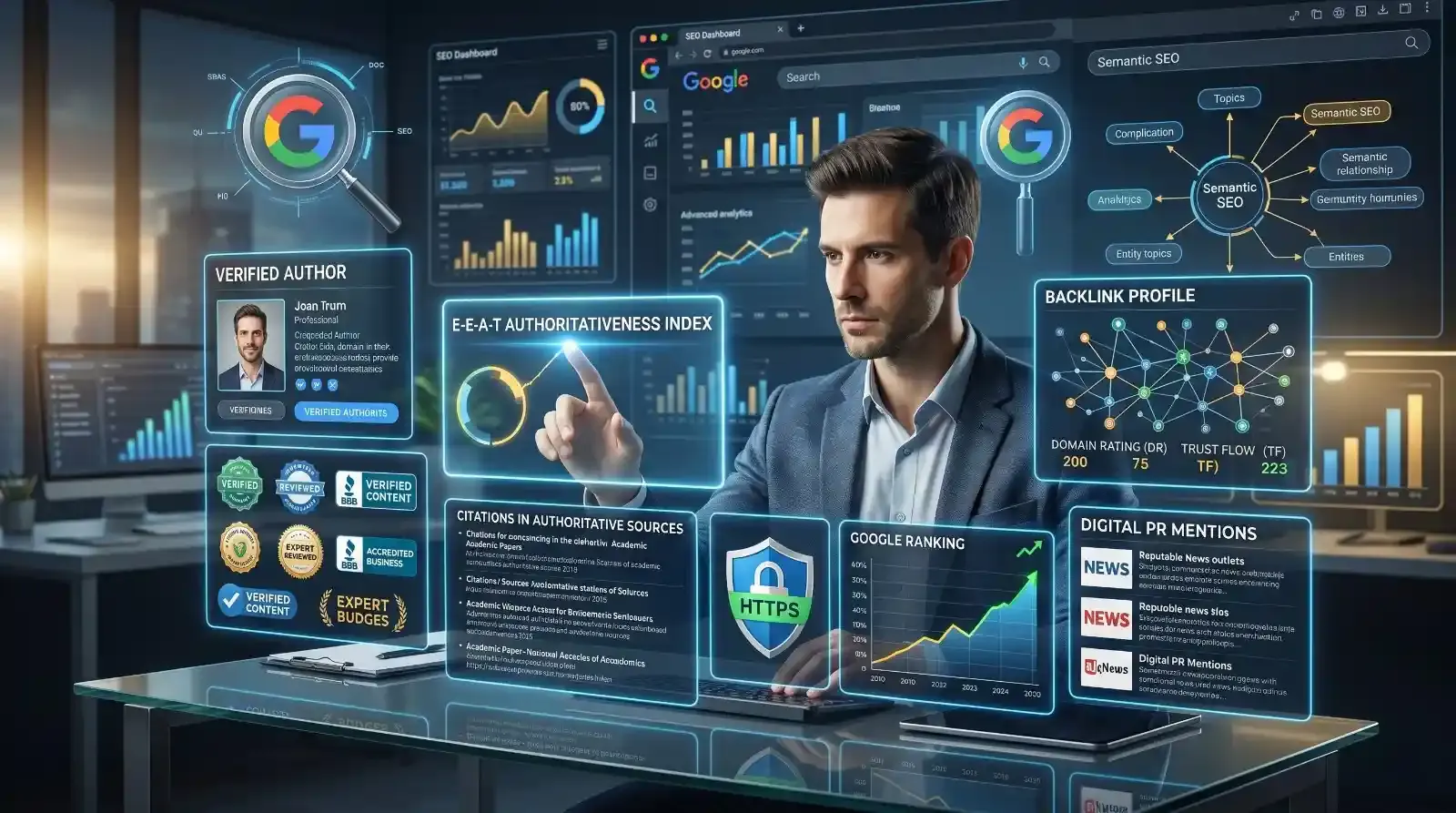
Spammy and irrelevant links are increasingly ignored or devalued. Building strong E-E-A-T signals alongside link building is now essential, as covered in this guide on how to improve E-E-A-T for SEO.
15 Types of Link Building Strategies That Work in 2026
- Guest Posting
- Broken Link Building
- Digital PR Campaigns
- HARO & Journalist Outreach
- Resource Page Link Building
- Competitor Backlink Analysis
- Unlinked Brand Mentions
- Podcast Guest Appearances
- Local Citations & Business Listings
- Testimonials for Brands
- Influencer Collaborations
- Original Research & Data Pages
- Linkable Assets (tools, templates, guides)
- Niche Edits (carefully vetted)
- Strategic Partnerships
Effective Link Building Strategies for Small Businesses
Small businesses often underestimate their link opportunities.
Local relevance is their biggest advantage.
Strong sources include:
- Chamber of commerce websites
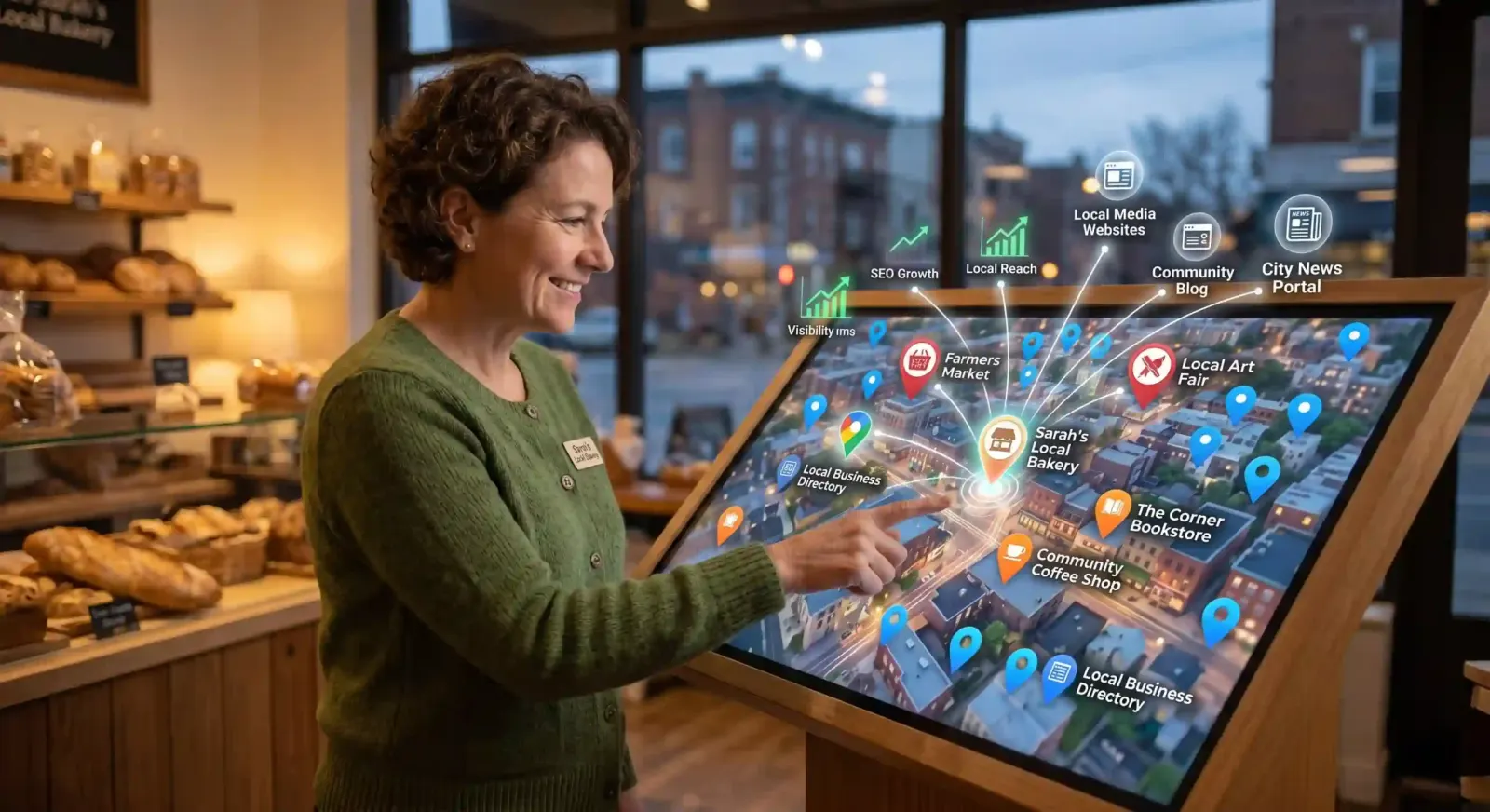
- Local news publications
- Business associations
- Community sponsorship pages
- Partner businesses
- Local directories
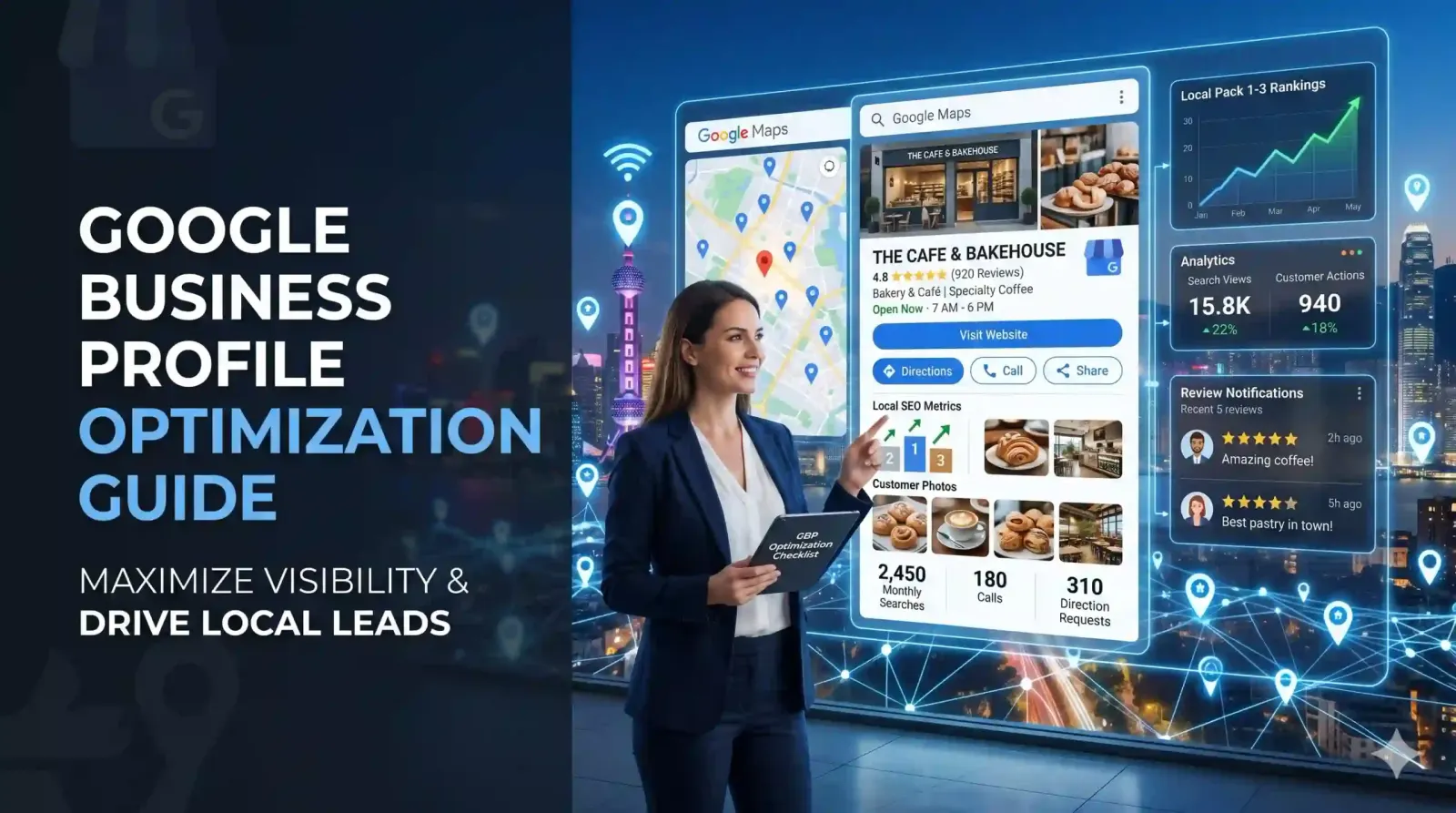
These links are powerful because they reflect real-world trust and relationships. For local businesses, combining link building with a strong Google Business Profile also strengthens local authority, as explained in this Google Business Profile optimization guide.
White Hat Link Building Strategies That Actually Work
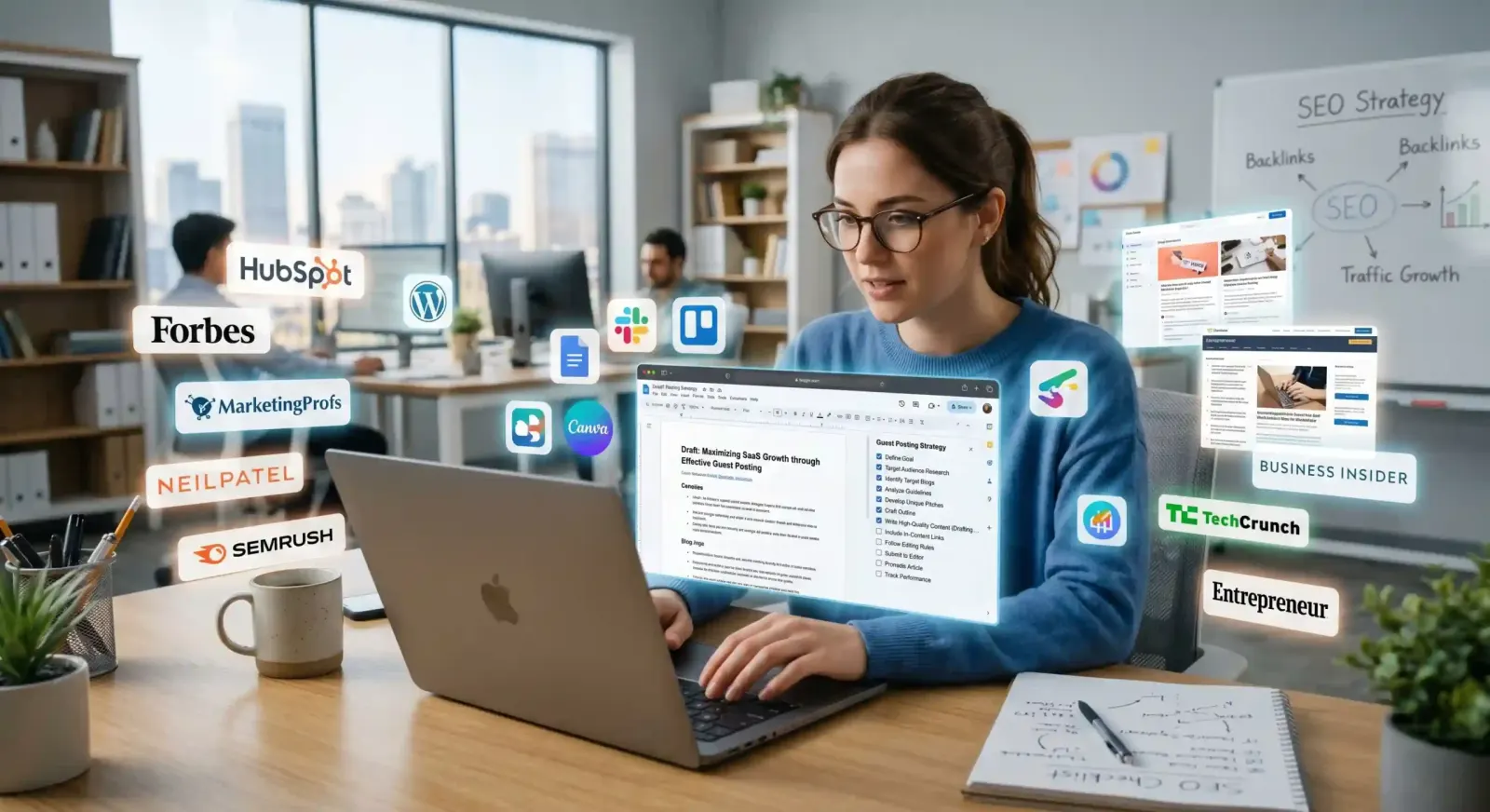
White hat link building focuses on earning links through value.
The process includes:
- Creating useful content
- Identifying relevant websites
- Building relationships
- Offering something valuable
Outreach must be personal, relevant, and helpful, not spammy.
Patience is critical. Small campaigns often produce steady long-term results rather than instant spikes.
Guest Posting — How to Do It Without Getting Penalized
Guest posting still works when done correctly.
Good guest posting follows:
- Relevance to the niche
- High-quality content
- Natural anchor text usage
- Real editorial websites
Avoid low-quality guest post networks or spam sites.
How to Find Guest Post Opportunities in Your Niche
- Competitor backlink analysis
- Google search operators (your niche + “write for us”)
- Industry blogs and magazines
- Podcasts and newsletters
Broken Link Building — Step-by-Step Process
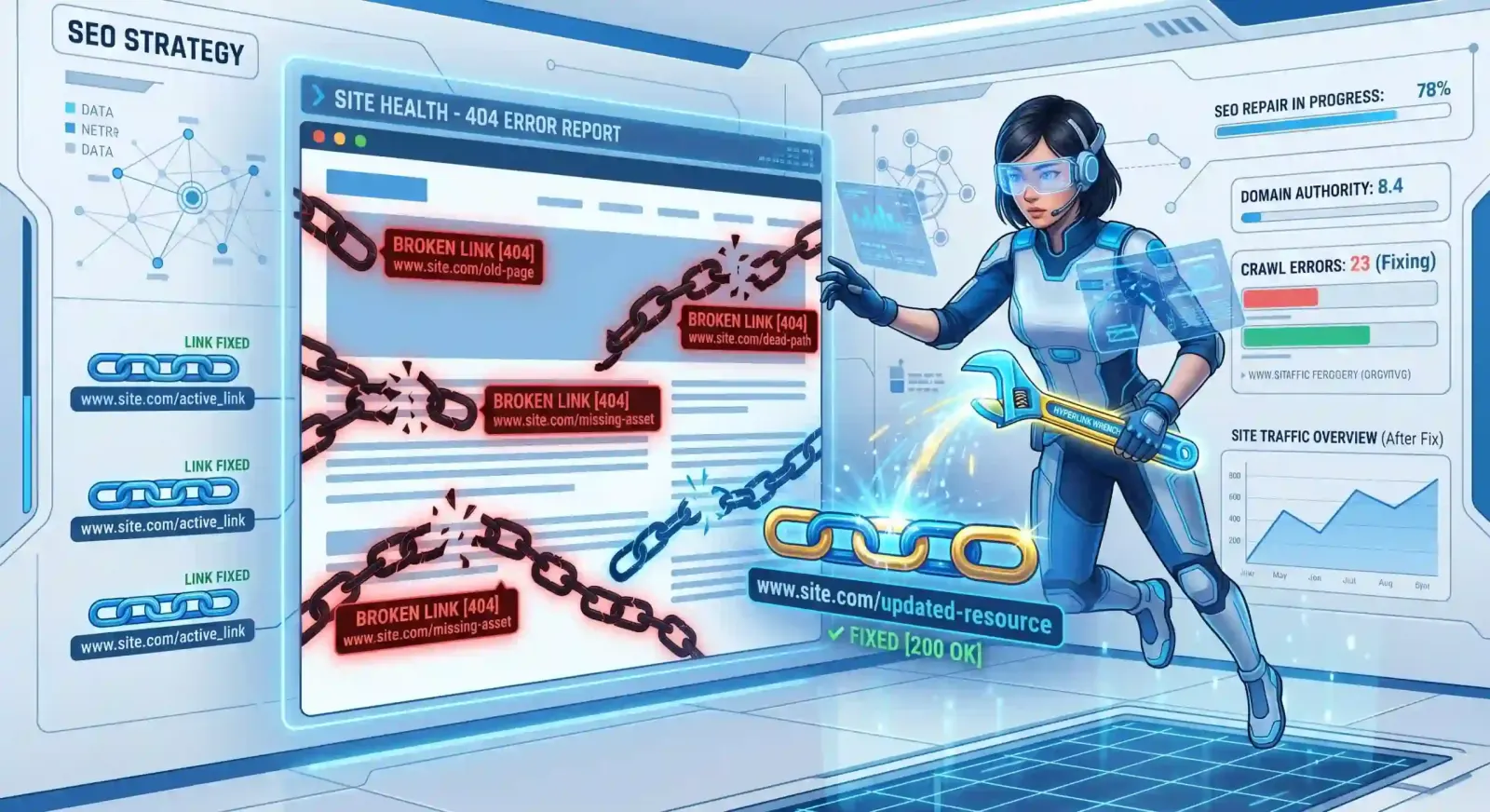
Broken link building works by replacing dead links with better resources.
Steps:
- Find relevant pages with outbound links
- Identify broken URLs
- Create or match replacement content
- Contact site owners with a helpful suggestion
This works because it solves a problem first, then requests a link.
Digital PR — Getting Links from Authority Sites
Digital PR earns links through stories, not requests.
Examples:
- Industry data reports
- Local surveys
- Trend analysis
- Unique insights
Journalists link to useful data sources when it improves their content.
Resource Page Link Building
Resource pages exist specifically to link out to useful content.
To succeed:
- Find niche resource pages
- Ensure your content is valuable
- Pitch naturally and politely
This is one of the easiest entry-level link strategies.
HARO and Journalist Outreach for Backlinks
Journalist outreach helps you earn authority links by providing expert insights.
Best practices:
- Respond quickly
- Keep answers short
- Provide real expertise
- Avoid generic responses
Even small websites can earn high-authority mentions this way.
How to Get High-Quality Backlinks Without Buying Links
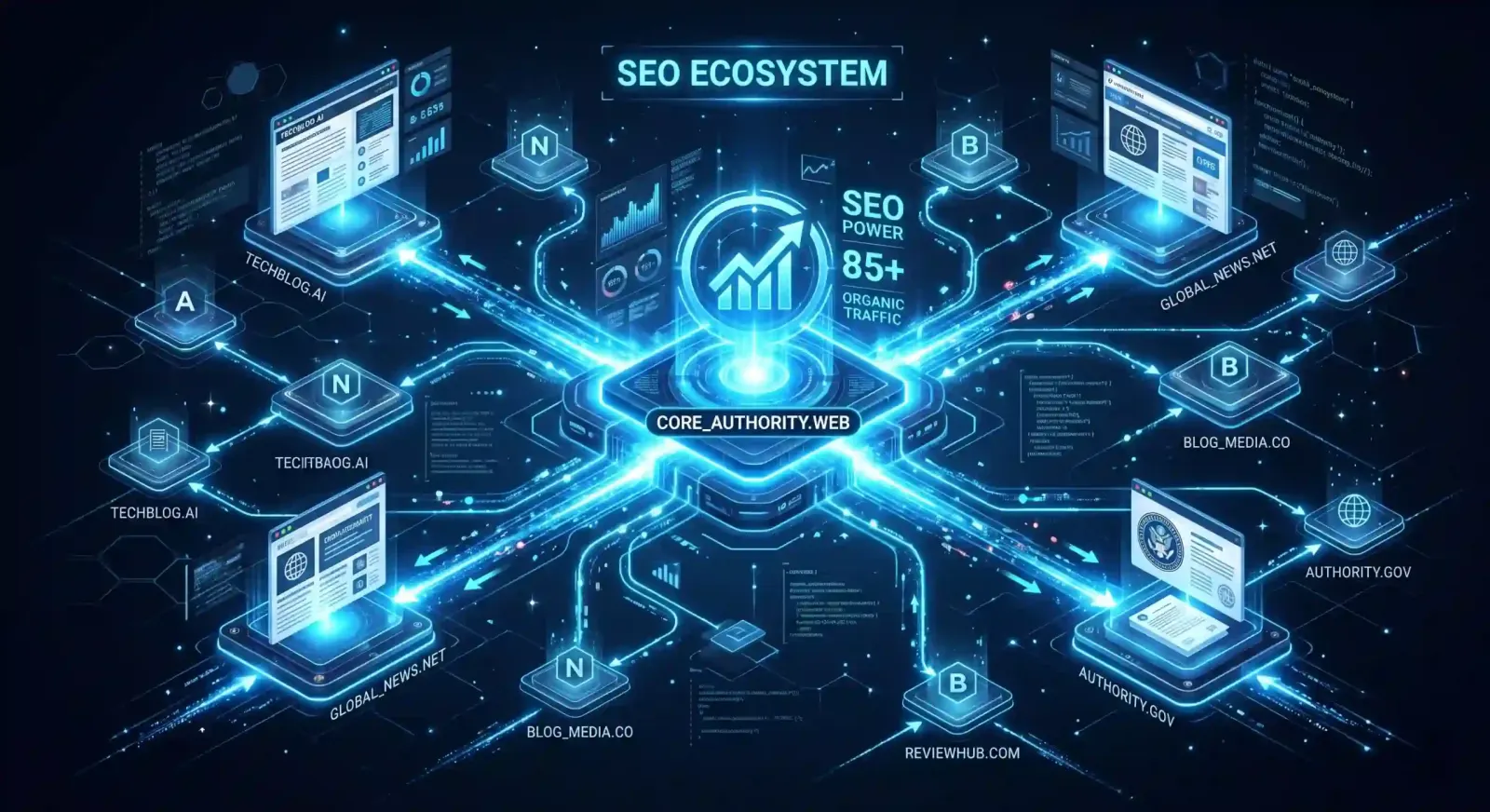
High-quality backlinks are earned through value, not payment.
Free methods include:
- Guest posting
- Broken link building
- Digital PR
- Expert roundups
- Community participation
- Original content creation
Focus on “why someone would link to this” instead of “how to place a link.” Before outreach, ensure your content is fully optimized using the on-page SEO checklist for every article so every page you build links to is worth linking to.
Influencer Marketing for Link Building
Influencer collaborations work when content provides value.
Examples:
- Product reviews
- Tutorials
- Case studies
- Comparison guides
The backlink should be a natural part of useful content.
Best Link Building Software Compared
- Ahrefs — backlink analysis and competitor research
- Semrush — SEO + link audit tools
- BuzzStream — outreach management
- Pitchbox — advanced link campaigns
- Screaming Frog — broken link crawling
AI-Powered Link Building Tools: Pros and Cons
AI helps speed up research and outreach but should not replace human judgment.
Pros:
- Faster prospecting
- Content ideation
- Email drafting
Cons:
- Generic outreach risk
- Low-quality automation
- Loss of authenticity
Best approach: AI + human editing.
Affordable Link Building Services: What to Look For
Good services should:
- Focus on relevance
- Avoid spam networks
- Show transparent methods
- Avoid guaranteed rankings
Avoid cheap “bulk backlink” packages.
How to Audit Your Backlink Profile
A backlink audit includes:
- Reviewing referring domains
- Checking anchor text distribution
- Identifying toxic links
- Tracking lost backlinks
- Studying competitors
Tools like Ahrefs and Semrush help simplify this process. For a full technical audit of your site alongside your backlink review, follow this technical SEO audit step by step in 2026.
How to Find and Disavow Toxic Backlinks
Not all bad links require disavow.
Only disavow if:
- Links are clearly spam
- You have manual penalty risk
- Links come from harmful networks
Always review manually before disavowing.
Common Link Building Mistakes to Avoid
- Buying cheap backlinks
- Overusing exact-match anchors
- Ignoring relevance
- Building links too fast
- Not auditing backlinks
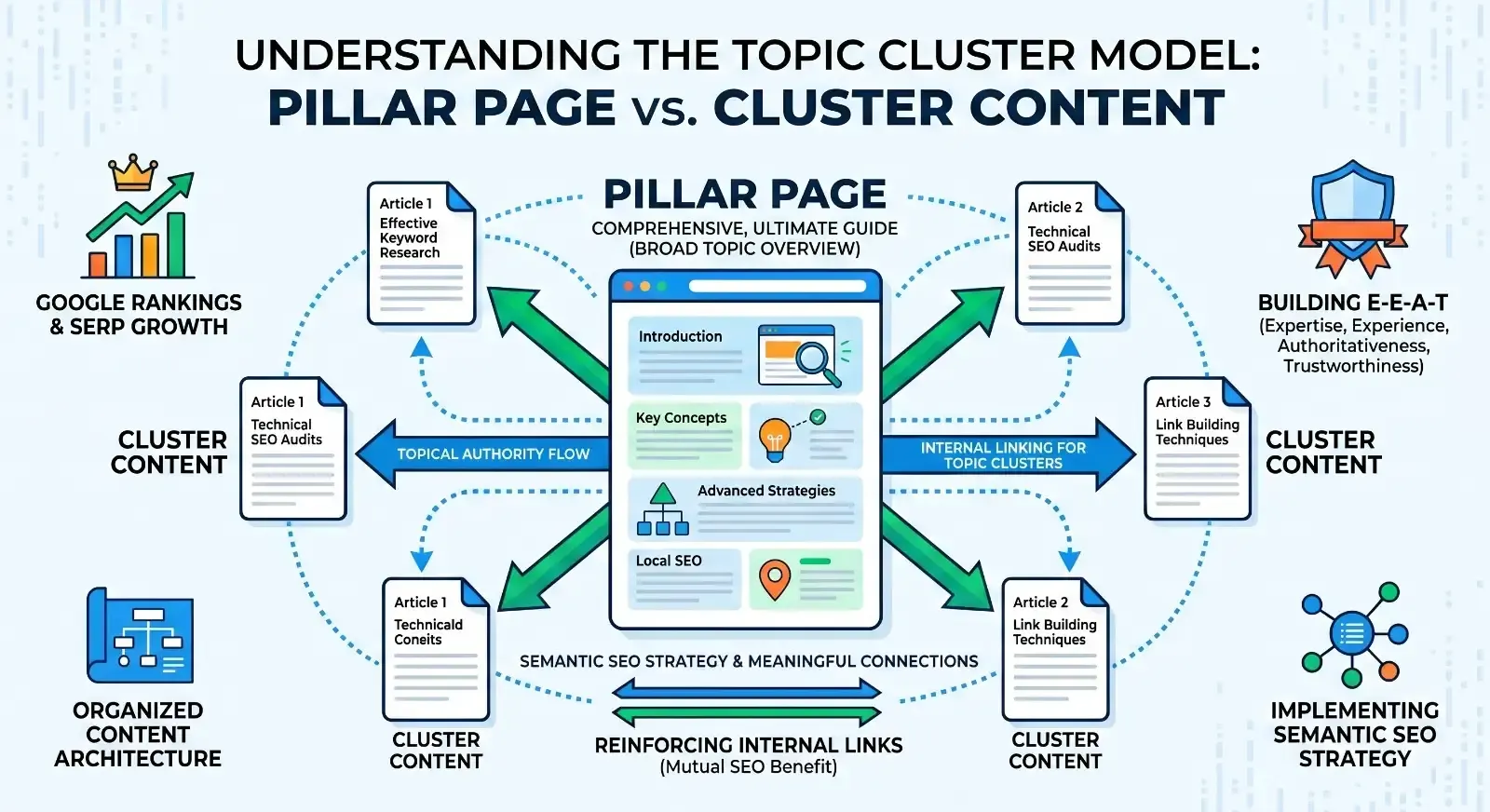
Alongside link building, your site’s technical foundation, content structure, and platform setup all work together to maximize the value of every link you earn. See the WordPress SEO setup for beginners guide, the WooCommerce SEO optimization complete guide, and the Shopify SEO optimization guide 2026 for platform-specific SEO foundations. Building topical authority through content clusters also strengthens the value of earned backlinks, as covered in this topic cluster strategy for SEO. Schema markup on your key pages signals additional trust to search engines, which you can implement using this guide on how to add schema markup to WordPress. Page speed matters for keeping users engaged when they arrive via backlinks, so follow this guide on how to improve Core Web Vitals WordPress. Keyword targeting also determines which pages deserve the most links, so review this guide on how to do keyword research for SEO.
FAQs
How many backlinks do I need to rank?
Are paid links against Google guidelines?
Does domain authority affect rankings?
What is the safest link building strategy for a new website?
How often should I audit backlinks?
Is guest posting still effective in 2026?
Conclusion
Link building in 2026 is about earning trust, not collecting links.
Small websites can compete by focusing on:
- Relevance over volume
- Quality over quantity
- Relationships over automation
- Value over manipulation
The websites that win are not those with the most backlinks, but those with the most meaningful ones.